
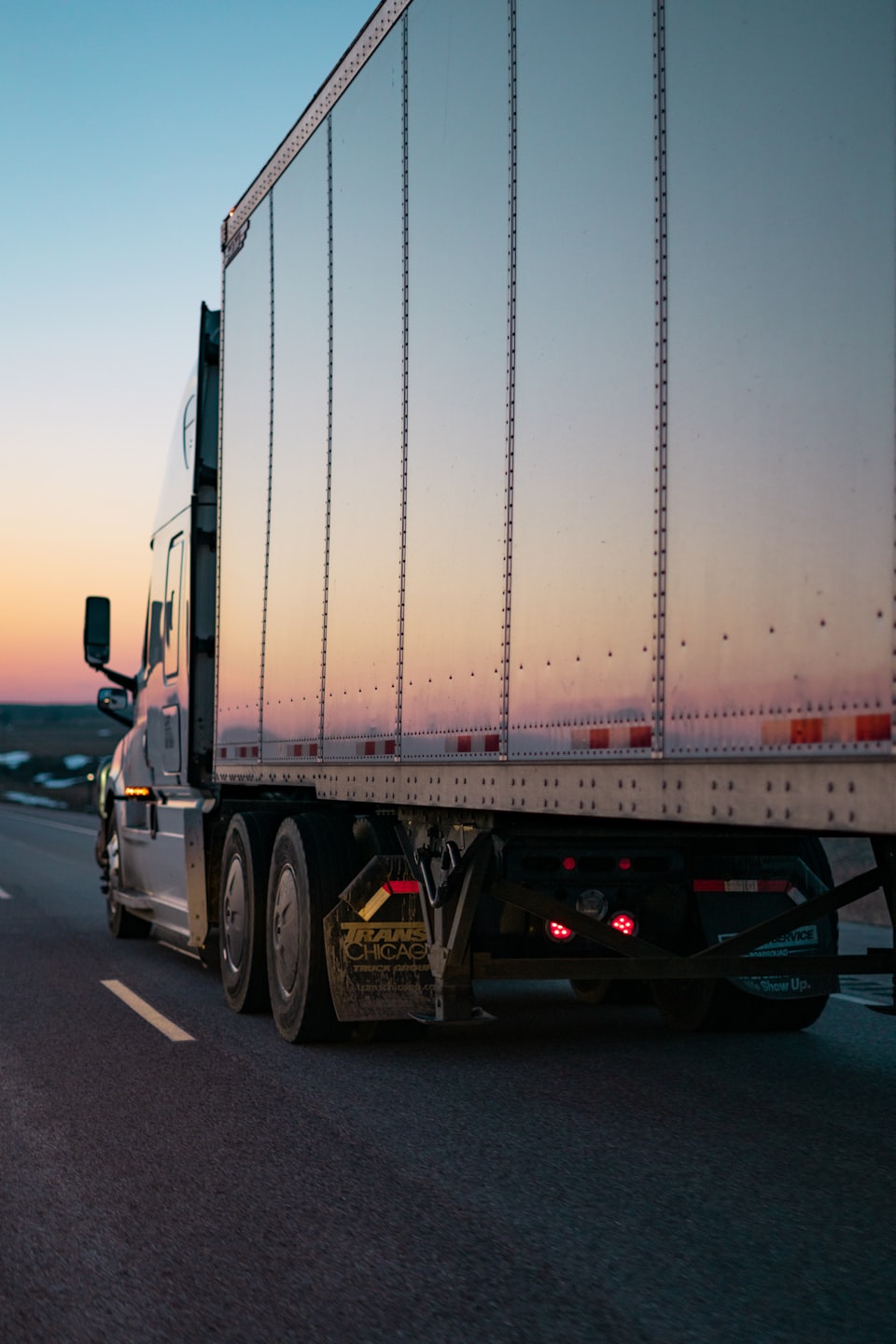
Revolutionizing Trucking Logistics Through AI Innovation
Welcome to Trucker Tested Logistics, where cutting-edge AI streamlines cargo bidding and negotiation. Fleet operators and drivers gain instant access to GPS tracking previews, AI negotiation demos, and comprehensive onboarding resources—all designed to simplify your logistics experience.
Insights
Explore cutting-edge articles and expert insights on AI-driven logistics, cargo bidding strategies, and fleet management innovations tailored for truck operators and drivers.
-

Mastering Efficient Freight Logistics In Modern Markets
This paragraph serves as an introduction to your blog post. Begin by discussing the primary…
-

Why Smart Automation Is Essential For Growth
This paragraph serves as an introduction to your blog post. Begin by discussing the primary…
-

Navigating The Digital Shift In Logistics Management
This paragraph serves as an introduction to your blog post. Begin by discussing the primary…


Streamline Your Freight Bidding with AI Precision
Discover how our AI-driven platform empowers you to effortlessly manage cargo bids and negotiations. Join now to experience smarter logistics and boost your operational efficiency.
Experience Advanced Trucking Solutions and Real Results
Discover how our AI-driven logistics platform transforms cargo bidding, fleet tracking, and negotiation for truckers and fleet operators.

AI-Powered Cargo Bidding
Automate and optimize your cargo bids with intelligent algorithms that maximize profit while reducing manual workload.

GPS Fleet Tracking Preview
Gain real-time insights into your fleet’s location and status, enhancing operational control and timely delivery management.

Streamlined Onboarding Resources
Access comprehensive guides and tools designed to simplify onboarding and get your drivers and fleets up to speed quickly.
Revolutionizing Trucking with AI-Driven Logistics Solutions
Discover how our platform transforms freight management by automating cargo bidding, GPS tracking, and negotiation to boost efficiency for fleets and drivers.

AI-Powered Cargo Bidding
Leverage intelligent algorithms to instantly match loads with optimal carriers, maximizing profitability and reducing downtime.
GPS Fleet Tracking Preview
Monitor your fleet’s real-time location seamlessly, ensuring transparency and timely deliveries with our intuitive tracking interface.
AI Negotiation Assistant Demo
Experience our smart assistant that simplifies rate negotiations, helping drivers and operators secure the best deals effortlessly.
How Trucker Tested Logistics Works
Discover how our AI-driven platform simplifies cargo bidding and fleet management from start to finish.

Step One: Seamless Onboarding
Effortlessly set up your profile and connect your fleet or truck to our intelligent system.

Step Two: Smart Negotiation
Leverage AI-assisted tools to automate bidding and secure competitive freight contracts.

Step Three: Real-Time Tracking
Monitor your fleet’s location and performance with our intuitive GPS tracking previews.
Leveraging AI to Broker and Negotiate Loads and Jobs for the Trucking Industry
The trucking industry is a vital component of the global supply chain, responsible for the transportation of goods across vast distances. As demand for efficient and timely delivery grows, the industry faces challenges such as fluctuating freight volumes, rising fuel costs, and driver shortages. To stay competitive and optimize operations, many companies are turning to artificial intelligence (AI) to enhance load brokering and job negotiation processes.
What is AI in Trucking Load Brokering?
AI in trucking load brokering refers to the use of advanced algorithms, machine learning, and data analytics to automate and improve the process of matching freight loads with available carriers. Traditional methods often involve manual negotiation and reliance on human brokers, which can be time-consuming and prone to errors. AI systems analyze vast amounts of data to identify optimal matches quickly, considering factors such as route efficiency, load size, carrier availability, and pricing.
Benefits of Leveraging AI for Load Brokering and Negotiation
- Increased Efficiency: AI can process multiple variables simultaneously, enabling faster load matching and reducing the time trucks spend idle. Automated platforms can instantly connect shippers with carriers, streamlining the entire workflow.
- Cost Reduction: By optimizing routes and load assignments, AI helps minimize fuel consumption and operational costs. It also facilitates better price negotiations by analyzing market trends and historical data to suggest competitive rates.
- Enhanced Decision-Making: AI-powered analytics provide brokers and carriers with insights into demand patterns, capacity utilization, and carrier performance, supporting more informed decisions.
- Improved Load Matching Accuracy: AI algorithms consider numerous parameters like delivery deadlines, truck specifications, and driver preferences to ensure loads are matched with the most suitable carriers.
- Real-Time Tracking and Updates: Integration with telematics and GPS allows AI systems to monitor shipments in real-time, enabling proactive adjustments in case of delays or issues.
How AI Facilitates Negotiations
AI-driven negotiation platforms utilize natural language processing (NLP) and predictive analytics to automate communication between shippers, brokers, and carriers. These systems can:
- Analyze previous negotiations to determine the most effective strategies.
- Forecast pricing trends based on market demand and supply.
- Suggest counteroffers and concessions that maximize value for both parties.
- Automate contract generation and compliance checks.
Challenges and Considerations
While AI offers significant advantages, its implementation in trucking load brokering also presents challenges:
- Data Quality: AI systems require accurate and comprehensive data to function effectively. Poor data can lead to suboptimal decisions.
- Integration: Incorporating AI into existing logistics platforms may require substantial technical adjustments.
- Human Oversight: Despite automation, human expertise remains essential to manage exceptions and complex negotiations.
- Privacy and Security: Handling sensitive shipment and carrier data necessitates robust cybersecurity measures.
Future Outlook
As AI technology continues to evolve, its role in the trucking industry is expected to expand. Emerging trends include the use of AI for predictive maintenance of trucks, autonomous driving, and enhanced supply chain visibility. For load brokering and negotiation, AI promises greater automation, improved accuracy, and more dynamic pricing models, ultimately leading to a more efficient and resilient trucking ecosystem.
Conclusion
Leveraging AI in load brokering and job negotiation transforms traditional trucking operations by enhancing efficiency, reducing costs, and enabling smarter decisions. By embracing these technologies, trucking companies and brokers can better navigate the complexities of the modern supply chain, ensuring timely deliveries and improved profitability in a competitive market.
Leveraging AI to Broker and Negotiate for Today’s Truckers and Distributors
In the rapidly evolving logistics and transportation industry, artificial intelligence (AI) is revolutionizing how truckers and distributors operate, negotiate, and broker deals. By harnessing AI technologies, industry players can enhance efficiency, reduce costs, and improve decision-making in an increasingly complex market landscape.
The Role of AI in Trucking and Distribution
AI-powered systems analyze vast amounts of data from various sources, including GPS, traffic patterns, fuel consumption, and delivery schedules, to optimize routes and reduce operational costs. According to a 2023 report by McKinsey, AI-driven logistics solutions can reduce freight costs by up to 15%, translating into billions of dollars in savings across the industry.
Negotiation and Brokering Enhanced by AI
Traditionally, negotiation in trucking and distribution relied heavily on human intuition and experience. AI introduces data-driven negotiation tools that can assess market conditions, predict pricing trends, and recommend optimal contract terms. For example, platforms using AI algorithms can analyze historical freight rates and current capacity to negotiate better deals automatically, improving margins for both carriers and shippers.
Statistics underscore AI’s impact in negotiation: a 2024 survey by Gartner revealed that companies employing AI negotiation tools experienced a 25% increase in contract profitability and a 30% faster deal closure rate compared to those using manual methods.
Benefits for Truckers and Distributors
- Real-Time Market Insights: AI systems provide real-time analysis of supply and demand, allowing truckers and distributors to adjust pricing and availability dynamically. This adaptability is crucial in an industry where market conditions can change rapidly.
- Improved Load Matching: AI brokers can match loads with available trucks more efficiently, reducing empty miles. The American Transportation Research Institute notes that empty miles account for approximately 20-25% of total miles driven by trucks, and AI can help reduce this figure by up to 10%.
- Risk Management: AI algorithms can assess risk factors such as weather, traffic, and driver behavior to mitigate delays and accidents, enhancing overall safety and reliability.
- Enhanced Customer Experience: Faster and more accurate negotiation processes lead to timely deliveries and improved service levels, which are critical for customer retention.
Case Studies and Industry Adoption
Leading logistics companies such as Uber Freight and Convoy have integrated AI-driven brokering platforms, resulting in significant operational improvements. Uber Freight reported a 40% increase in load matching efficiency after implementing AI tools, while Convoy reduced delivery times by 15%.
Challenges and Considerations
Despite its advantages, AI adoption faces challenges including data privacy concerns, the need for quality data, and resistance from industry stakeholders accustomed to traditional negotiation methods. Ensuring transparency in AI decision-making and investing in workforce training are essential steps for successful integration.
Conclusion
AI is transforming the trucking and distribution sectors by enhancing brokering and negotiation capabilities. With substantial benefits in cost reduction, efficiency, and risk management, AI-powered solutions are becoming indispensable tools for modern truckers and distributors aiming to thrive in a competitive environment. As the technology continues to evolve, embracing AI will be key to maintaining a strategic edge in the logistics industry.
Surviving the Trucking Economy Through AI Integration
Latest Blog Posts
Stay informed and inspired with our latest blog posts. Discover insights, tips, and trends across various topics.
-
Mastering Efficient Freight Logistics In Modern Markets
This paragraph serves as an introduction to your blog post. Begin by discussing the primary…
-
Why Smart Automation Is Essential For Growth
This paragraph serves as an introduction to your blog post. Begin by discussing the primary…
-
Navigating The Digital Shift In Logistics Management
This paragraph serves as an introduction to your blog post. Begin by discussing the primary…
The trucking industry has long been the backbone of global commerce, responsible for transporting goods across vast distances. However, in recent years, the trucking economy has faced numerous challenges—rising fuel costs, driver shortages, increasing regulations, and fluctuating demand. To survive and thrive in this evolving landscape, companies must embrace innovative solutions. One of the most promising avenues is the integration of Artificial Intelligence (AI).
The Challenges Facing the Trucking Economy
Before exploring AI’s role, it’s important to understand the key challenges:
- Rising Operational Costs: Fuel prices, maintenance, and labor expenses continue to increase, squeezing profit margins.
- Driver Shortages: The trucking industry struggles to attract and retain qualified drivers, leading to capacity constraints.
- Regulatory Pressure: Compliance with safety and environmental regulations requires significant resources.
- Supply Chain Disruptions: Global events and market shifts make demand unpredictable, complicating logistics planning.
How AI Can Transform Trucking
AI technologies offer solutions that address these challenges head-on:
1. Optimized Route Planning
AI-powered route optimization tools analyze vast amounts of data—traffic, weather, road conditions, and delivery windows—to determine the most efficient paths. This reduces fuel consumption, delivery times, and wear on vehicles.
2. Predictive Maintenance
By continuously monitoring truck components through sensors and AI algorithms, companies can predict mechanical failures before they occur. This proactive maintenance minimizes downtime and costly repairs.
3. Enhanced Driver Assistance
AI-driven driver assistance systems improve safety by alerting drivers to hazards, monitoring fatigue, and even enabling semi-autonomous driving features. Safer roads mean fewer accidents and lower insurance costs.
4. Demand Forecasting
AI can analyze market trends, seasonal factors, and historical data to better forecast demand. This allows trucking companies to allocate resources more effectively and reduce empty miles.
5. Automated Documentation and Compliance
AI tools can automate paperwork, such as bill of lading, invoicing, and compliance reporting, reducing administrative burdens and errors.
Real-World Success Stories
Several trucking companies have successfully integrated AI:
- UPS: Uses AI for route optimization, saving millions of gallons of fuel and reducing emissions.
- J.B. Hunt: Employs AI to enhance predictive maintenance and fleet management.
- DHL: Implements AI-driven analytics for demand forecasting and logistics planning.
Steps to Implement AI in Your Trucking Business
- Assess Needs: Identify pain points and areas where AI can add value.
- Choose the Right Technology: Evaluate AI solutions that fit your scale and operations.
- Train Your Team: Ensure staff understand and can effectively use AI tools.
- Start Small: Pilot AI initiatives in specific areas before scaling.
- Measure Impact: Track key performance indicators to assess ROI and optimize.
The Future of Trucking Is AI-Driven
The trucking economy is at a crossroads. Those who resist change risk falling behind, while those who harness AI can gain a competitive edge. By integrating AI, trucking companies can reduce costs, improve efficiency, enhance safety, and better adapt to market fluctuations.
Embracing AI is not just a technological upgrade—it’s a strategic imperative for surviving and thriving in the modern trucking economy. The road ahead is challenging, but with AI as a co-pilot, it’s full of opportunity.